On December 5, Ukraine joins the world in marking International Volunteer Day — a celebration of people who act purely out of goodwill. During the years of full-scale war, volunteers have become the backbone of Ukraine’s resilience, and thousands of Christian churches have turned into centers of relief, refuge, and compassion.
Source: Ukrinform
A Renewed and Expanded Tradition of Service
International Volunteer Day, officially established by the UN General Assembly in 1985, honors people who selflessly serve society. The roots of the modern volunteer movement reach back to the early 20th century, when groups of young people from across Europe began rebuilding war-torn villages in France — a practice that later spread worldwide.
In Ukraine, volunteerism began to take shape institutionally in the 1990s. But a true surge of civic engagement emerged during the Revolution of Dignity and the outbreak of war in eastern Ukraine. Volunteers stepped into roles the state was not ready to fill — supplying soldiers, supporting displaced families, and organizing humanitarian aid.
The full-scale invasion in 2022 expanded the scale of volunteerism to unprecedented levels. Today, nearly every Ukrainian has contributed in some form to supporting the army or helping civilians. In his address, the President of Ukraine noted that from the very first days of the invasion, Ukrainians acted in unity — and that unity became one of the reasons Moscow failed to achieve its goals.
The Volunteer Movement and the Role of Churches
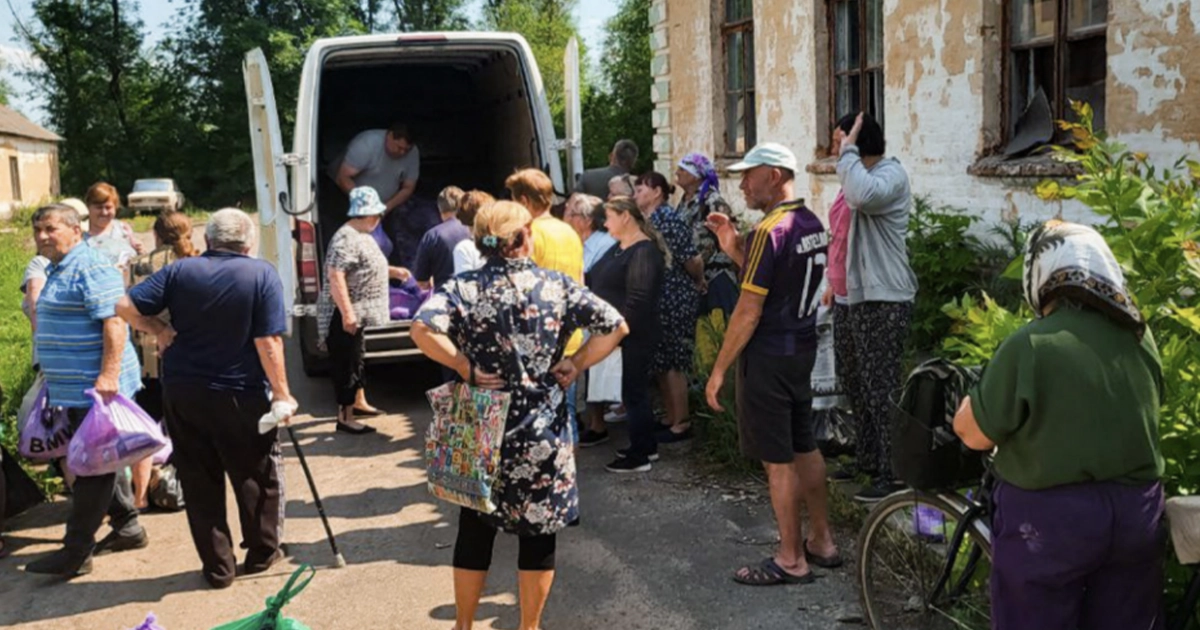
Christian communities played a particularly transformative role. Thousands of Protestant churches became volunteer hubs:
-
assembling humanitarian aid,
-
cooking meals and hosting displaced families,
-
organizing evacuations from frontline areas,
-
supporting territorial defense units and the Ukrainian Armed Forces.
Pastors and volunteers often risked their lives to deliver aid or rescue people from under fire.
In many newly liberated towns, churches were the first to begin repairing homes, rebuilding community spaces, and providing psychological support. Baptist and Pentecostal congregations effectively became “points of resilience” long before the phrase was used officially.
Christian Roots of Volunteerism
The tradition of mercy and social care has deep Christian foundations. For two thousand years, churches have stood beside the sick, the orphaned, the poor, and the persecuted. Many modern forms of charity were born within Christian communities. It is no surprise, then, that in wartime Ukrainian believers became some of the country’s most active volunteers.