211,000 War Crimes in Four Years: Ukraine’s Prosecutor General on the Scale of Russian Aggression
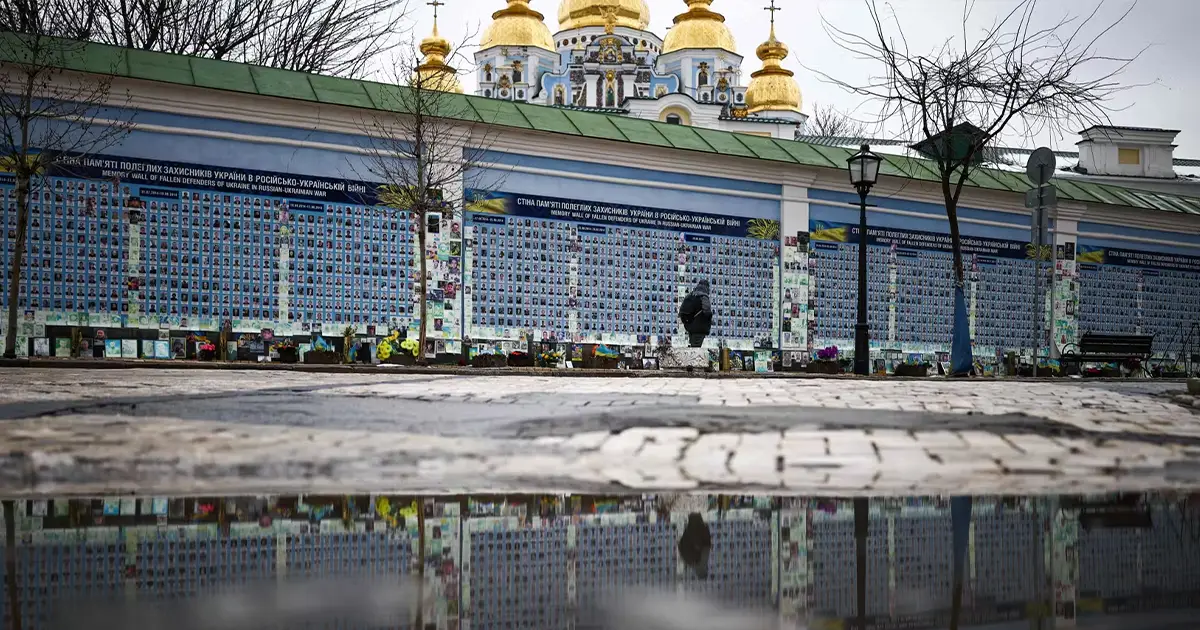
Over the four years of Russia’s full-scale invasion, more than 240,000 criminal offenses related to the war have been registered in Ukraine. Of these, more than 211,000 are classified as war crimes. This was stated by Ukraine’s Prosecutor General Ruslan Kravchenko in an interview with the French newspaper Le Monde on February 23.
“As of today, 211,000 war crimes have been recorded out of 241,000 offenses related to Russia,” Kravchenko said, summarizing the legal dimension of four years of war.
Killings, Torture, Deportation of Children
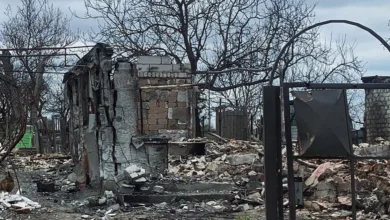
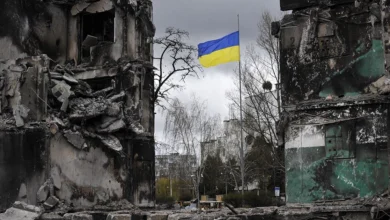
The documented crimes include killings of civilians, torture, sexual violence, deportation of Ukrainian children, massive strikes on civilian infrastructure, looting, and other grave violations of international humanitarian law.
“Killings, torture, sexual violence, massive attacks on civilian infrastructure, looting…” the Prosecutor General listed.
According to him, crimes have been documented across the entire country — from frontline regions to liberated towns and villages. Investigations are being carried out by the National Police, security services, and investigators from the Office of the Prosecutor General.

Kravchenko emphasized that Ukraine is not postponing justice until the end of the war. Hundreds of cases have already been referred to court, and some defendants have been convicted, including in absentia.
Hundreds of Verdicts and Trials in Absentia
Approximately 800 indictments have been submitted to court. Ukrainian courts have already delivered 240 verdicts in war crimes cases, some rendered in absentia.
“The purpose of in absentia proceedings, conducted in accordance with international standards, is both to collect testimonies from victims and witnesses — since over time a witness may pass away — and to transform war crime suspects into convicted fugitives who have nowhere to hide except in Russia,” Kravchenko explained.
He stressed that international experience following World War II demonstrates that the path to justice may be long, but it is inevitable.
International Dimension: Arrest Warrants and a Special Tribunal
The interview also addressed cooperation with the International Criminal Court in The Hague. The Court has already issued six arrest warrants against members of Russia’s leadership, including Vladimir Putin, who is suspected of the unlawful deportation of Ukrainian children and organizing systematic attacks on civilian infrastructure.
At the same time, Ukraine is awaiting the establishment of a Special Tribunal for the crime of aggression against Ukraine. According to Kravchenko, the International Centre for the Prosecution of the Crime of Aggression against Ukraine is already operating in The Hague.
“This tribunal is our top priority. Every piece of evidence from these 211,000 cases will be transferred to its disposal,” he emphasized.
Bucha as a Turning Point
Ruslan Kravchenko became Prosecutor General in 2025. Previously, he led the prosecution office of the Bucha district after the city was liberated in April 2022.
Bucha was under occupation for five weeks. After its liberation on April 2, 2022, law enforcement discovered the bodies of 358 civilians in the streets.
“My psychological breaking point was Bucha,” Kravchenko admitted. “When you see hundreds of bodies on the streets, mass graves… When you realize that these people lived ordinary lives, had families, went to work — and were cold-bloodedly killed simply because someone decided to attack your country…”
According to him, that moment made it clear: every crime must be documented, and every testimony preserved for court.
Documentation Continues Daily
The Prosecutor General noted that the number of recorded crimes continues to grow. Approximately one-fifth of Ukraine’s territory remains under temporary occupation, where, he says, systematic terror against civilians continues.
“The most important thing is to collect the evidence in time,” Kravchenko stated.
He is convinced that even if accountability takes years, international precedent proves that war crimes have no statute of limitations, and truth and justice ultimately prevail.