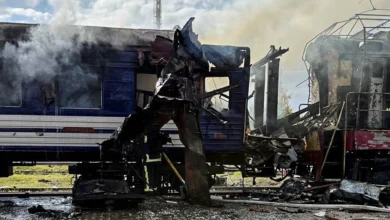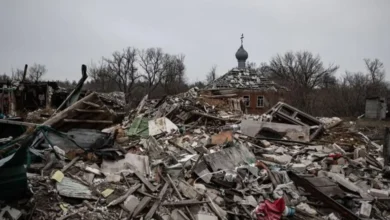
Russia carried out record-scale air attacks on Ukraine in 2025: over 54,000 drones and 1,900 missiles — ISW
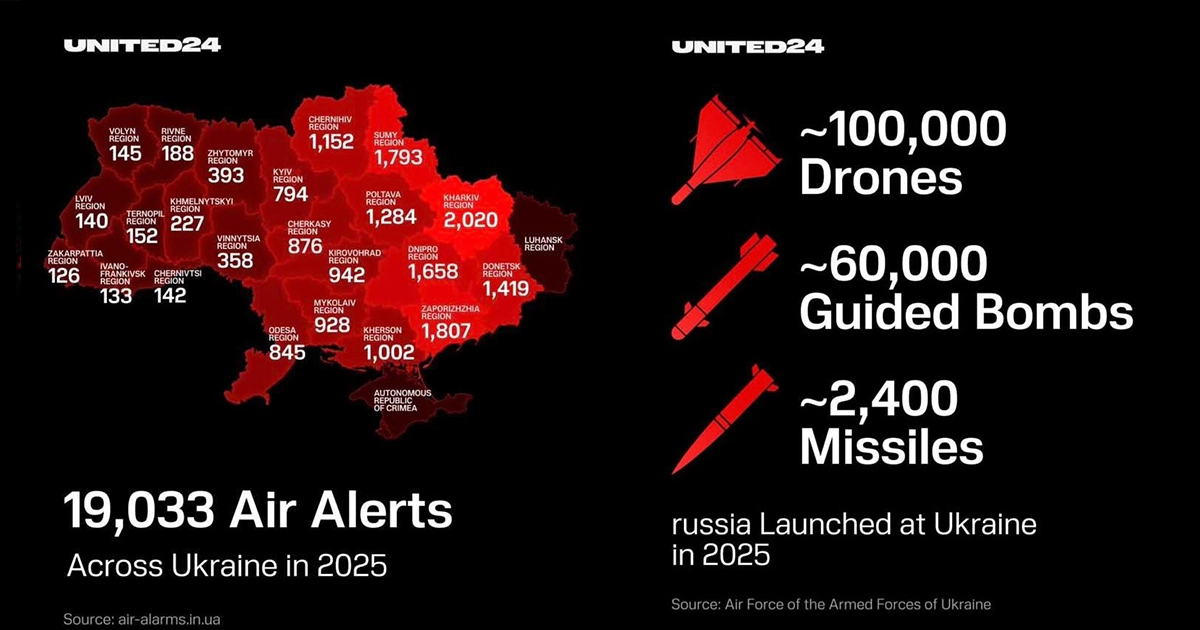
Throughout 2025, Russia conducted near-continuous large-scale missile and drone attacks against Ukraine. According to analysts, Russian forces launched more than 54,000 long-range attack drones and over 1,900 missiles during the year — marking an unprecedented level of aerial terror since the start of the full-scale invasion.
Source: Institute for the Study of War (ISW).
Unprecedented scale of aerial warfare
ISW analysts report a dramatic increase in the number of drones and missiles launched per night. Compared to 2024, the scale of overnight attacks grew by several multiples, reflecting a shift toward mass saturation strikes.
The largest single attack of the entire full-scale war occurred on the night of September 7, 2025, when Russian forces launched:
-
810 attack drones, and
-
-
13 missiles of various types.


Over the course of the year, analysts recorded 18 separate strike waves, each involving more than 500 aerial weapons launched simultaneously.
Energy infrastructure as the primary target
The most intense attacks took place in the fall and winter of 2025. According to ISW, Russia’s primary targets were:
-
Ukraine’s energy infrastructure, and
-
railway facilities critical for military and humanitarian logistics.
The goal of these strikes was not only physical destruction, but also psychological pressure on civilians, undermining national resilience and disrupting frontline supply chains.
Technological upgrades to Russian weapons
In 2025, Russia significantly modernized its missile and drone capabilities. ISW highlights several key developments:
-
surveillance cameras installed on Shahed-type drones;
-
radio-controlled guidance during flight;
-
the ability to strike moving targets, including trains and transport vehicles.
These upgrades indicate a deliberate effort to increase strike precision and maximize damage to civilian and critical infrastructure.
Foreign support enabling Russian attacks
ISW emphasizes that the escalation of Russia’s air campaign would not have been possible without international cooperation:
-
China supplies critical components used in drone production;
-
North Korea provides KN-23 ballistic missiles and labor for Russian defense factories, including drone production facilities in Tatarstan.
Context
Analysts conclude that these mass attacks are systemic, forming part of a long-term Russian strategy aimed at exhausting Ukraine. At the beginning of the new year, similar strikes were also recorded in western regions of Ukraine, including Volyn, where drones targeted the cities of Kovel and Lutsk.